
Why FMCG Brands Are Moving to CGI and 3D Product Visuals
Published April 2026
When you're managing multiple SKUs, constant packaging updates, and multi-channel campaigns, every change typically means another shoot. 3D gives you a way to handle all of that from a single asset. One build. Multiple outputs. Not for style. For control.
How it works
Instead of reshooting every time something changes, you build the product once in 3D. From that single asset, you update packaging in minutes, generate new angles instantly, create motion without reshooting, and output for every channel. The asset adapts. The workflow scales.
The real advantage is creative. You're not limited to what you can physically shoot. Controlled environments, cinematic campaigns, motion that would be difficult with live action. That's where brands start to stand out.
What this looks like in practice
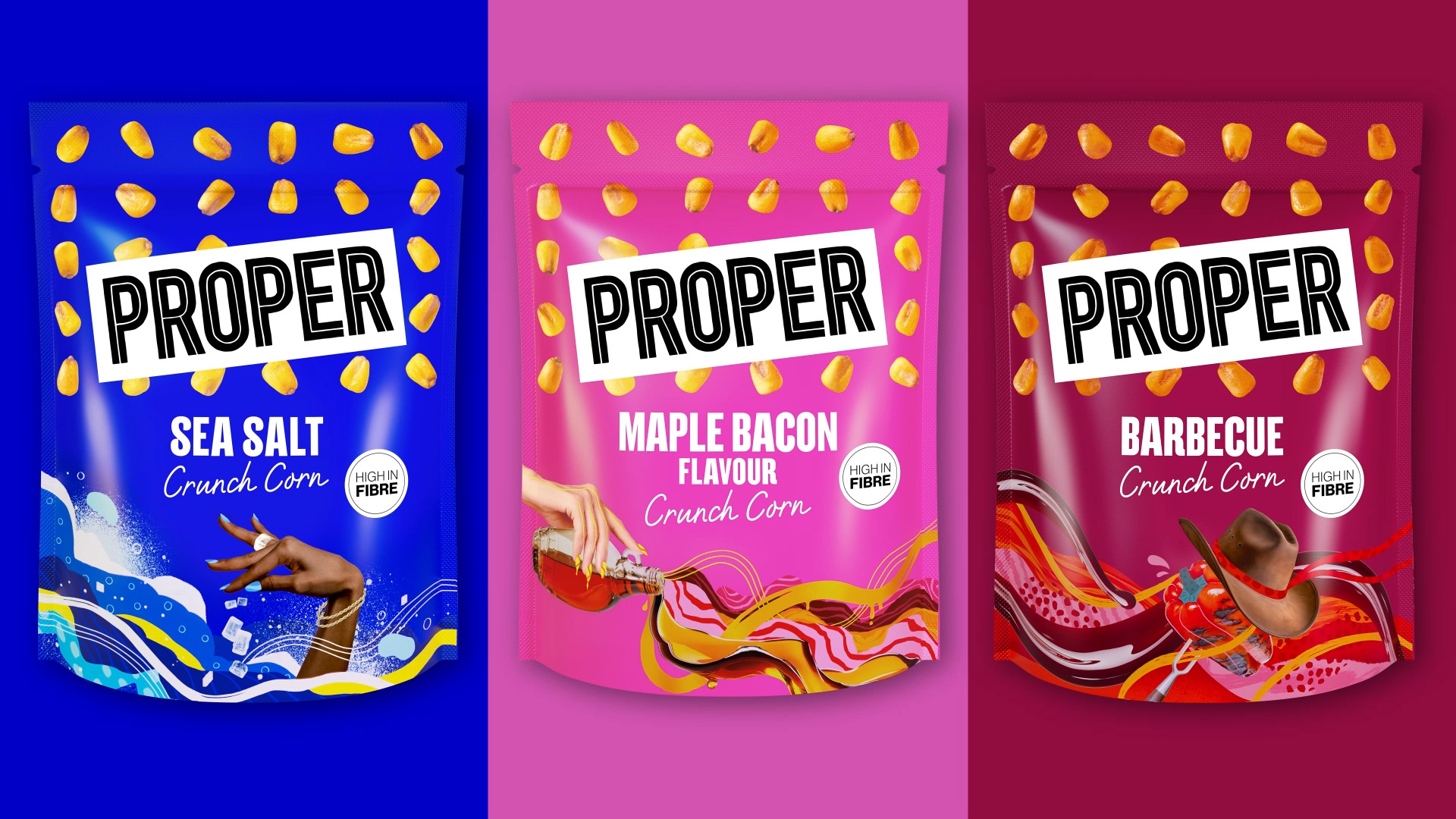
PROPER Crunch Corn. The packaging had personality. The visuals needed to match it. High-detail surface work, strong material contrast, clean design-led lighting. That single build powered ecommerce, trade assets, and launch visuals. View the project.
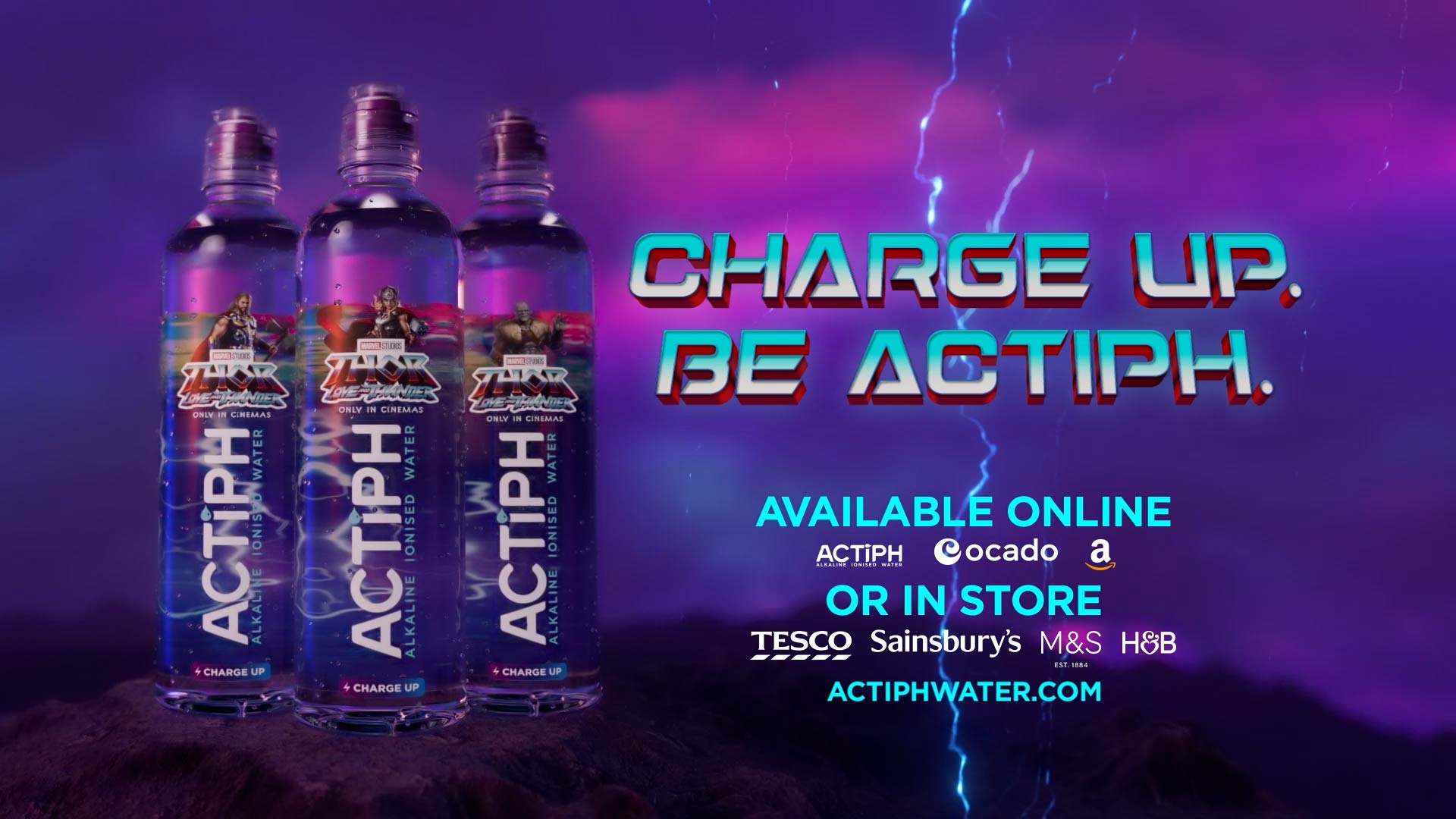
Disney x Actiph Water. Same foundation, different scale. Fully cinematic. Particles, lightning, spritz, lighting effects. This shows what's possible when you push a 3D asset into campaign territory. View the project.
Launches and ongoing content
FMCG launches move fast. Products aren't always final. Timelines are tight. 3D lets you start before the physical product exists and deliver ready-to-use visuals on day one. For ongoing content, seasonal campaigns, and frequent updates, each new deliverable gets faster because you're building from an asset that already exists.
What about AI?
AI is useful and I use it. But FMCG visuals are complex. Glass, liquids, condensation, spritz, particles. In 3D, each element is controllable. You can animate them independently, swap a label, adjust timing, and re-render with confidence. That level of control is what makes 3D reliable at scale. That's why most large packaging teams now run 3D pipelines. More on where AI helps and where it doesn't in AI vs CGI for Product Animation.
What happens next
Once the first 3D asset is in place, everything after gets easier to manage. Launches, updates, new channels, new formats. The build is the investment. Everything after just adapts.
Managing a range and booking a reshoot every time the pack changes? Tell me what you're working with and I'll show you what one 3D build could replace.