
CGI vs Product Photography: Which Is Better for Your Brand?
Published April 2026
So you're reading a blog about CGI vs photography from a 3D studio. No surprise, I'm biased. But there's a reason for it.
This shift isn't new. Automotive, electronics, and packaging industries have been using 3D instead of photography for decades. What's changed is the accessibility. The tools are better, the quality is higher, and the cost has come down to a point where it makes sense for brands of all sizes, not just the ones with massive budgets.
It comes down to what you need the content to do. If you need a few straightforward packshots and the product is final, photography is a great option. But if you need flexibility, multiple outputs, or need to start before the product exists, 3D opens up a lot more.
What photography is still great for
Photography still has a place. Food is the big one. A good food stylist still beats 3D on anything you actually want to eat, and that won't change any time soon. It also works well for simple stills or natural lifestyle imagery when the scope is fixed and nothing's moving.
Where 3D gives you more
The main advantage is flexibility. The product doesn't need to be finished. You don't need a location. You don't need everything lined up on the same day. You can start building while the product is still in development and adjust as things change along the way.
That flexibility is what makes it work commercially. When packaging updates, new variants, or last-minute campaign requests come in, you're not booking another shoot. You're updating an asset you already have.
Real examples
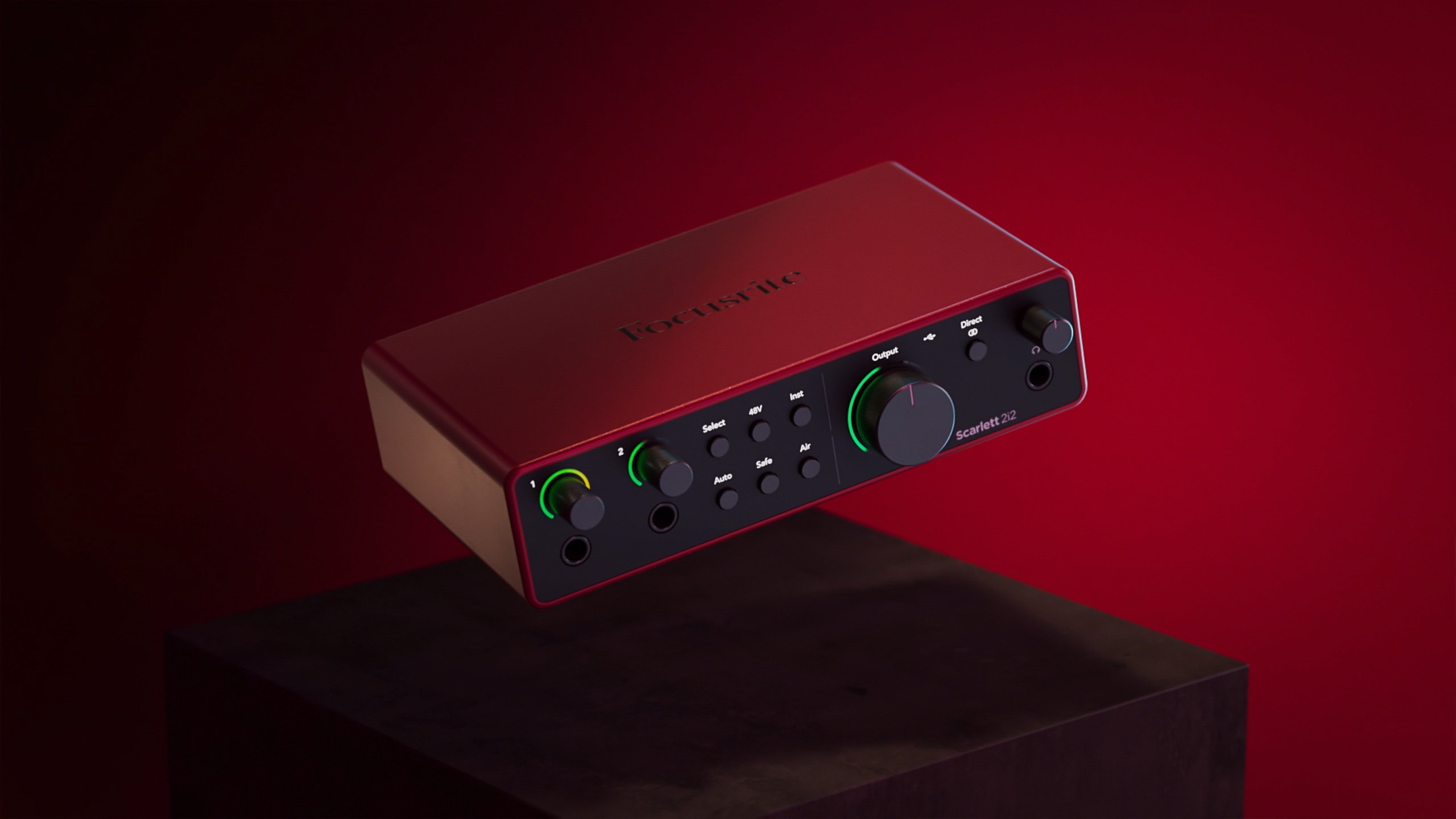
Focusrite Scarlett 4th Gen. The launch date was locked but the product wasn't finished. I built it from CAD into a photoreal 3D asset that ran in parallel with manufacturing, so all the launch content was ready before the product was. View the project.

Novation LaunchKey MK4. Same story, which is sort of the point. The product didn't physically exist yet, so it was built from CAD and the campaign still went live on time. View the project.
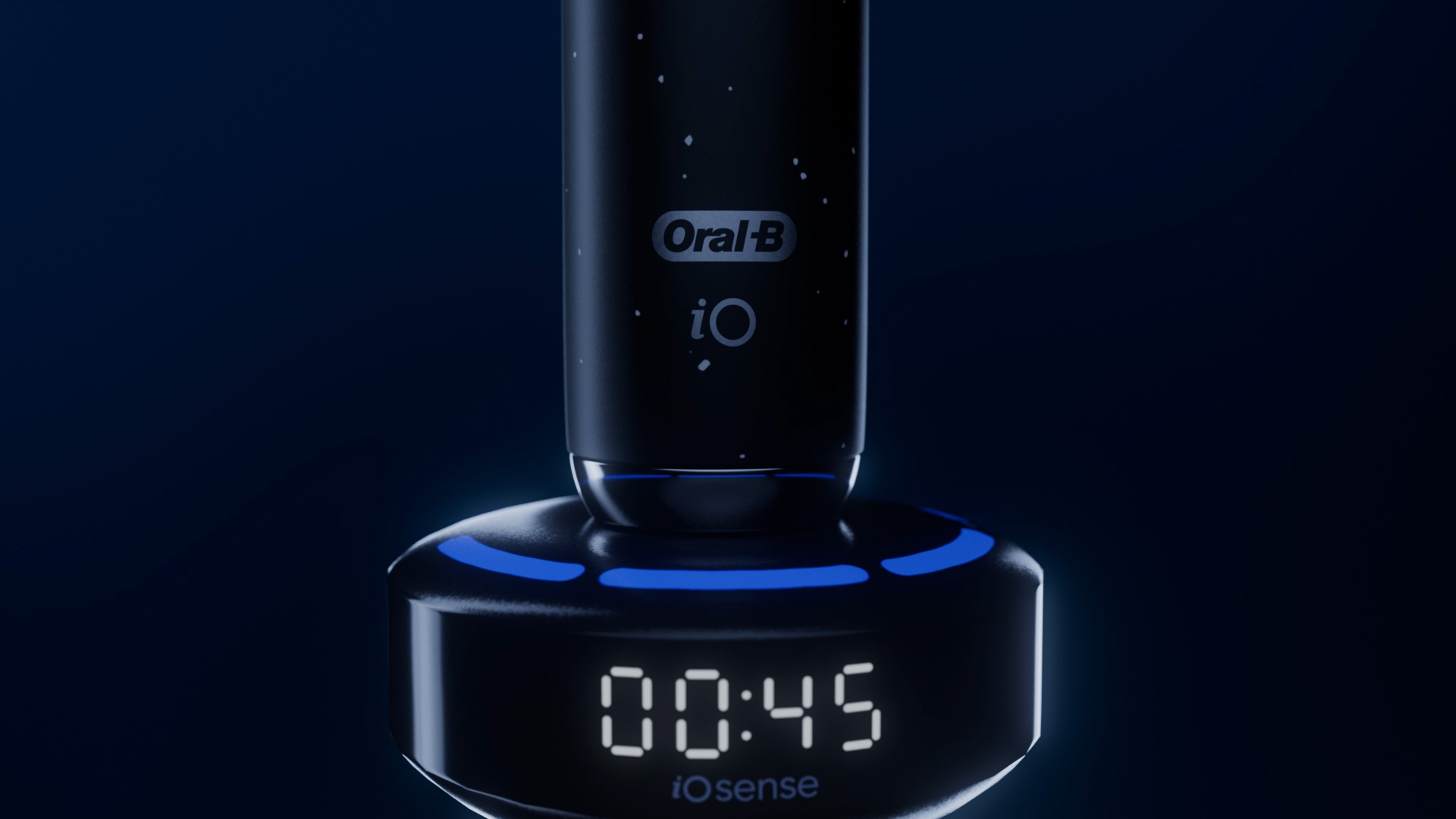
Oral-B Virtual Showroom. This one's different. The CAD was rebuilt into optimised 3D assets for a real-time VR showroom, where users could explore the product interactively. A completely different kind of output from the same 3D approach. View the project.
Which is more cost-effective?
It depends on the deliverables. For lifestyle, food, or a one-off asset, photography can be the right call upfront. 3D tends to win over a longer run, because one asset gets reused and adapted instead of paying for a fresh shoot every time. If you want to put numbers to it, the cost guide and project calculator break it down.
This isn't really CGI vs photography. It's about choosing the right approach for the work.
Tell me what you're shooting, or thinking of shooting, and I'll tell you straight whether it's a photography job or a 3D one. No hard sell if photography's the better shout.